
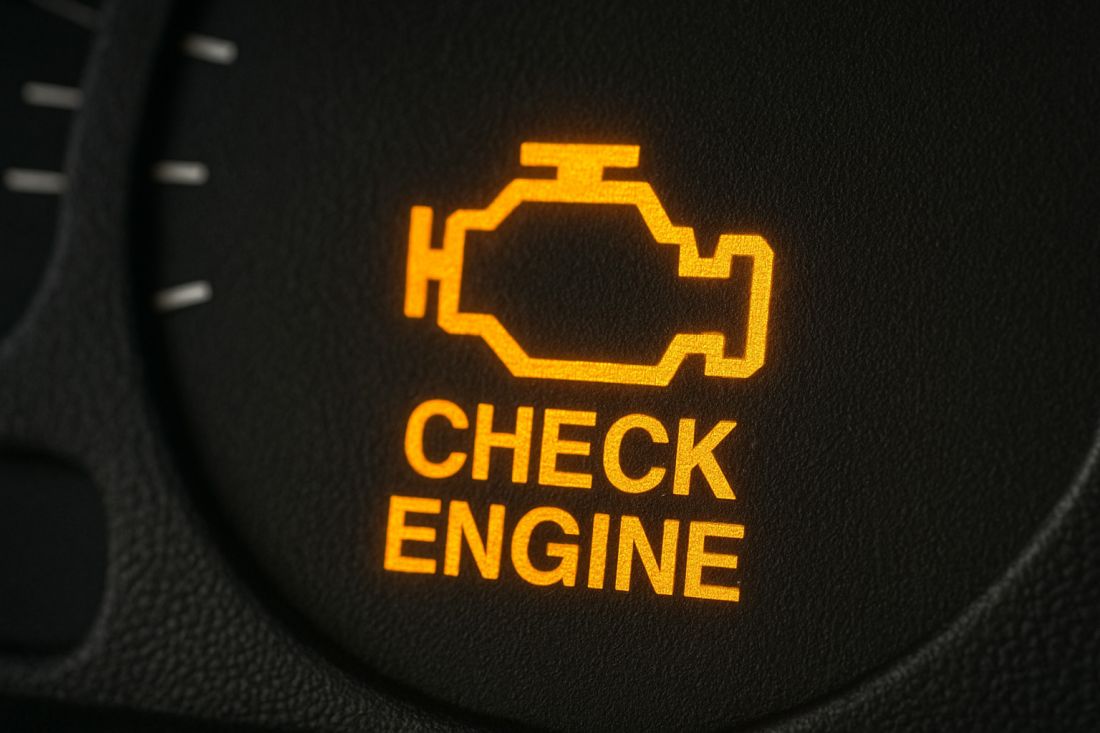
Few things induce a sense of dread in a driver quite like the sudden glow of the check engine light on the instrument cluster. Officially known as the malfunction indicator lamp, this warning system is a key component of your vehicle’s on-board diagnostics system. It serves as an early indicator that the computer has detected an issue affecting emissions, fuel consumption, or engine performance.
Understanding what this light means, how to respond, and when to seek immediate auto repair can prevent minor mechanical failures from cascading into catastrophic engine damage.
Decoding the Signal: Solid vs. Flashing Warning Lights
Your vehicle communicates the severity of an underlying problem through the behavior of the warning light. Modern vehicles typically display the light in one of two states.
A solid glow indicates a non-emergency issue that still requires prompt attention. The on-board computer has detected a fault that deviates from normal operational parameters, but the vehicle is still safe to drive for a short distance. While you do not need to pull over immediately, you should schedule a diagnostic appointment with a mechanic as soon as possible. Driving long distances with a solid indicator can severely compromise fuel economy and accelerate component wear.
A flashing or blinking indicator represents an urgent, severe failure. A flashing light generally signifies an engine misfire so severe that unburned fuel is escaping into the exhaust system. This raw fuel will quickly destroy the catalytic converter, a costly component responsible for reducing toxic exhaust gases. If the light flashes, you must pull over safely, turn off the engine, and arrange for a tow truck to transport the vehicle to a repair facility.
Common Culprits Behind the Warning Symbol
The internal diagnostics computer monitors hundreds of sensors and systems simultaneously. However, a significant majority of illumination incidents trace back to a few common components.
Loose or Damaged Gas Cap
The gas cap does more than keep dirt out of the fuel tank; it maintains pressure within the evaporative emissions system, which prevents harmful fuel vapors from escaping into the atmosphere. A loose, cracked, or completely missing gas cap causes a pressure drop that triggers the computer to throw an error code. If your light activates shortly after a trip to the gas station, check the cap first.
Failing Oxygen Sensor
The oxygen sensor measures the amount of unburned oxygen in the exhaust pipe to help the engine computer adjust the air-fuel mixture. A malfunctioning sensor feeds inaccurate data to the computer, leading to an overly rich or lean mixture. Left unaddressed, a bad oxygen sensor causes the engine to burn more fuel than necessary and can eventually clog the catalytic converter.
Catalytic Converter Degradation
The catalytic converter converts harmful carbon monoxide and other toxic pollutants into less dangerous substances before they leave the tailpipe. Catalytic converters usually fail because of secondary issues, such as neglected spark plugs or a leaking head gasket that allows fluids into the combustion chamber. Replacing a catalytic converter is expensive, making early diagnostics critical.
Worn Spark Plugs and Ignition Coils
Spark plugs ignite the compressed mixture of air and fuel inside the engine cylinders, while ignition coils provide the high-voltage electricity needed to create that spark. Over time, spark plugs wear out and gaps widen, causing incomplete combustion. This results in engine misfires, reduced acceleration, and an immediate warning light on your dash.
Mass Airflow Sensor Malfunction
The mass airflow sensor calculates the volume of air entering the engine intake so the computer can inject the precise amount of fuel needed. When this sensor becomes contaminated by dirt or oil, the engine may suffer from rough idling, sudden stalling, and a significant drop in fuel efficiency.
The Diagnostics Process: What Happens at the Shop
Many drivers make the mistake of assuming that a hand-held code reader tells a mechanic exactly what part needs to be replaced. In reality, the tool only provides a starting point.
When an auto repair technician plugs a diagnostic scanner into the vehicle’s port, the tool retrieves an alphanumeric trouble code. For example, a code might indicate a lean fuel mixture in a specific cylinder bank. The code does not state why the mixture is lean. The true cause could be a vacuum leak, a clogged fuel injector, a weak fuel pump, or a faulty sensor.
A professional technician uses these codes to perform targeted mechanical tests, trace electrical wiring, and review live sensor data streams while the engine runs. This comprehensive approach ensures that the actual root cause of the failure is repaired rather than just replacing functioning parts blindly.
Secondary Symptoms You Must Not Ignore
While the check engine light is an objective warning from the vehicle computer, you should also pay close attention to physical changes in how your vehicle behaves. Seek professional auto repair immediately if the light is accompanied by any of the following symptoms:
-
Pungent Exhaust Odors: A strong smell of rotten eggs points to a failing catalytic converter, while a raw gasoline scent indicates a severe fuel system leak or major misfire.
-
Audible Engine Knocking: Metallic pinging, tapping, or knocking sounds coming from under the hood suggest timing issues or lack of oil pressure, both of which can destroy internal engine bearings.
-
Sudden Loss of Power: If the vehicle struggles to accelerate, hesitates when you press the gas pedal, or limits your speed, it may have entered a protective operational state known as limp mode.
-
Heavy Vibrations or Shaking: A noticeable tremor while idling or driving typically signals that one or more engine cylinders are failing to fire correctly.
Frequently Asked Questions
Will my check engine light reset itself after I tighten a loose gas cap?
Yes, but the light will not turn off instantly. The vehicle computer needs to complete a series of drive cycles to verify that the evaporative system pressure has stabilized. A drive cycle generally involves driving the vehicle under varied conditions, including highway speeds and stop-and-go traffic, over the course of several days. If the light remains on after a week of regular driving, the issue lies elsewhere.
Can a dying car battery trigger the warning light to come on?
Low voltage from an old, weak, or failing battery can cause the vehicle electronics and sensors to behave erratically. When the computer receives inconsistent voltage signals or drops below a specific voltage threshold, it may store false trouble codes and illuminate the warning light. Testing the battery and charging system is a standard step during a professional diagnostic evaluation.
Is it safe to clear the trouble codes using a cheap scanner before an emissions inspection?
Clearing the codes turns off the warning light temporarily, but it will not help you pass an inspection. Emissions testing facilities check the status of the vehicle inspection monitors. When you clear codes, these monitors reset to an unready state. The inspection station equipment will reject the vehicle until it has been driven enough to complete all internal self-tests, at which point the light will simply turn back on if the fault remains.
Why does the light turn on only during wet weather or heavy rain?
Wet weather introduces moisture that can penetrate cracked ignition coil housings, worn spark plug wires, or damaged electrical connectors. Water creates an unintended path for electricity, causing the ignition spark to short out before reaching the cylinder. This leads to temporary engine misfires and a triggered light that may turn off once the engine heat dries out the components.
What is the difference between a service engine soon light and a check engine light?
A service engine soon light is typically a routine maintenance reminder programmed to appear at specific mileage intervals. It prompts you to change the engine oil, rotate the tires, or inspect the brakes. The check engine light specifically monitors the powertrain, emissions systems, and electronic engine controls, indicating a component malfunction rather than scheduled maintenance.
Does a vehicle code reader reveal every possible mechanical issue with a car?
Code readers only communicate with electronic modules and sensors tied to the vehicle networks. They cannot detect purely mechanical wear that does not affect a monitored sensor. For instance, worn suspension bushings, thinning brake pads, leaking shock absorbers, or rusted body panels will never trigger a check engine light because they lack electronic sensors to report the wear to the primary computer.