
The automotive landscape is undergoing a massive transformation. Drivers looking for their next vehicle are no longer simply choosing between different brands or body styles. Instead, the primary decision revolves around the powertrain. The transition away from traditional internal combustion engines has placed two distinct options at the forefront of the market: hybrid vehicles and battery electric vehicles.
Choosing between a hybrid and an electric vehicle is not just about saving money on fuel or reducing your environmental impact. It is a decision that fundamentally affects how you interact with your car daily. Your driving habits, geographical location, access to housing, and personal patience for technology all play a role in determining which option makes sense.
To make an informed purchase, you must understand the mechanical distinctions, daily operational realities, and financial impacts of both vehicle classes.
Understanding the Technology Behind the Powertrains
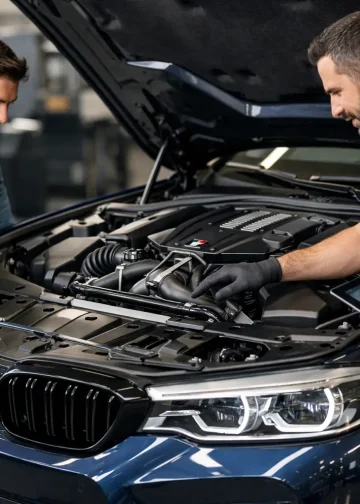
Before assessing how these vehicles fit into your life, it is essential to look under the hood. The terms hybrid and electric represent entirely different approaches to vehicle propulsion.
Standard and Plug-In Hybrid Vehicles
Hybrids serve as a bridge between traditional gasoline cars and full electrification. Within this category, two main designs exist: traditional hybrids and plug-in hybrids.
Traditional hybrids, often called parallel or self-charging hybrids, use a gasoline engine alongside a small electric motor and a compact battery pack. The vehicle automatically switches between the engine and the motor, or uses both simultaneously, depending on driving conditions. The battery charges through regenerative braking, which captures kinetic energy during deceleration, and directly from the gas engine. You never plug this vehicle into an electrical outlet. You fill the tank at a standard gas station.
Plug-in hybrids feature a larger battery pack and a more powerful electric motor. This configuration allows the vehicle to drive solely on electricity for a limited distance, typically between twenty and fifty miles. Once the battery depletes, the vehicle operates like a standard hybrid, relying on the internal combustion engine. To maximize the efficiency of a plug-in hybrid, you must connect it to an external power source to recharge the battery.
Battery Electric Vehicles
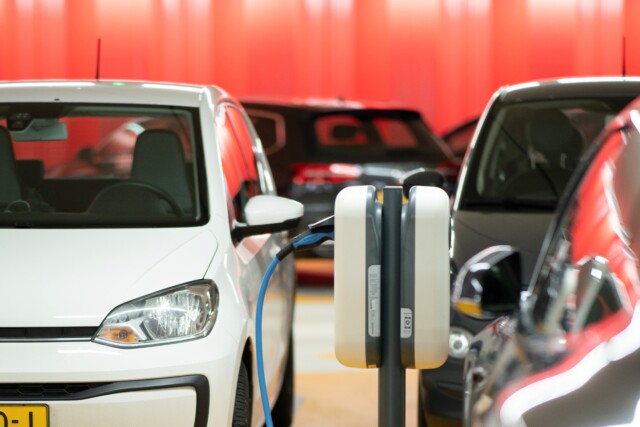
Battery electric vehicles eliminate the internal combustion engine entirely. They rely solely on a large battery pack to power one or more electric motors. Because there is no gasoline backup, an electric vehicle must be plugged into an external charger to replenish its energy supply.
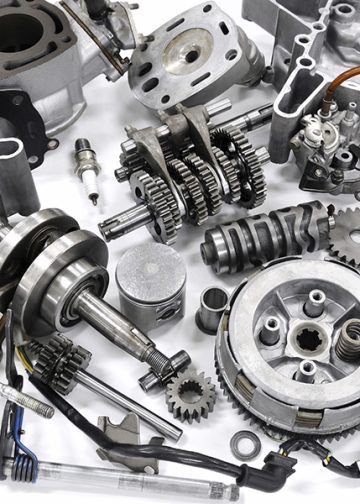
Electric vehicles feature simpler drivetrains than hybrids. They do not require multi-speed transmissions, spark plugs, fuel injectors, exhaust systems, or oil changes. The driving experience is defined by instant torque, meaning the vehicle accelerates smoothly and quickly from a complete stop without waiting for an engine to rev up.
Daily Commuting and Driving Habits
Your daily routing is the most critical factor when selecting a vehicle type. How many miles you drive each day, where those miles take place, and your access to refueling infrastructure will shape your ownership experience.
The Urban Commuter
If your daily routine consists of short trips, stop-and-go city traffic, and running errands within a localized radius, an electric vehicle is an excellent fit. Electric cars are highly efficient in city environments. Stop-and-go driving allows the regenerative braking system to constantly feed energy back into the battery, extending your range. Furthermore, the absence of idling emissions means you are not wasting energy while sitting in urban traffic gridlock.
A plug-in hybrid also excels in this scenario. If your daily commute is thirty miles round-trip, you can complete the entire journey using electric power, reserving the gasoline engine for weekend road trips. A standard hybrid is also efficient in the city, frequently shutting off the engine at stoplights and coasting on electric power at low speeds.
The Long-Distance Highway Driver
For individuals who regularly travel long distances for work or leisure, the evaluation shifts in favor of hybrids. Standard hybrids require no behavioral adjustment on long highway stretches. You drive until the tank is low, pull into any gas station, fill up in five minutes, and continue your journey.
Electric vehicles require more planning for long-distance travel. Highway driving drains electric batteries faster than city driving because there are fewer opportunities for regenerative braking, and overcoming aerodynamic drag at high speeds requires sustained energy output. While modern electric vehicles offer driving ranges between two hundred and four hundred miles on a single charge, long trips necessitate planned stops at public fast-charging stations.
Housing and Charging Infrastructure
The feasibility of electric vehicle ownership is directly tied to your residential living situation. Charging a vehicle takes time, and the convenience of that process depends heavily on where you park your car overnight.
Home Charging Availability
The ideal ownership experience for an electric vehicle or a plug-in hybrid involves dedicated home charging. If you own a single-family home with a garage or a private driveway, you can install a specialized outlet or a dedicated home charging unit.
Charging overnight ensures you wake up every morning with a full battery. This dynamic eliminates the need to visit public stations for routine daily driving.
Multi-Family Housing Challenges
For renters, apartment dwellers, or individuals who rely on street parking, charging an electric vehicle introduces logistical hurdles. While some modern apartment complexes offer dedicated charging stalls, many do not.
If you cannot charge at home, you must rely on public charging infrastructure. This means spending time at commercial fast chargers during the week or planning your schedule around chargers located at grocery stores or workplaces. If this sounds like an inconvenient chore, a standard hybrid is the superior choice, as it requires zero lifestyle alterations regarding refueling.
Climate and Environmental Factors
Geographical location and seasonal weather patterns affect vehicle performance in ways that many buyers fail to consider.
The Impact of Cold Weather
Batteries are sensitive to temperature extremes. In freezing winter weather, the chemical reactions inside an electric vehicle battery slow down, reducing its overall efficiency. Additionally, because an electric vehicle does not generate waste heat from an engine, it must use battery power to run the cabin heater. This double impact can temporarily reduce an electric vehicle’s driving range by twenty to thirty percent during peak winter months.
Hybrids are less affected by extreme cold. While their fuel economy drops slightly in the winter due to engine warming cycles, the presence of the gasoline engine ensures that cabin heat is generated efficiently, and there is no risk of getting stranded due to a sudden reduction in battery capacity.
Environmental Footprint Analysis
If your primary goal is minimizing your carbon footprint, electric vehicles offer the greatest long-term reduction in emissions. They produce zero tailpipe emissions. Even when factoring in the emissions generated by the power grid to produce the electricity, electric cars generally account for lower lifecycle emissions than hybrid or gasoline alternatives.
Hybrids significantly reduce fuel consumption compared to traditional cars, making them a major step up in sustainability. However, they still burn fossil fuels and emit exhaust gases every time the internal combustion engine activates.
Financial Considerations and Long-Term Value
The up-front purchase price, ongoing maintenance, insurance, and eventual depreciation all contribute to the total cost of ownership.
Initial Purchase Price and Incentives
Electric vehicles typically carry a higher initial sticker price than comparable hybrid models due to the high cost of manufacturing large battery packs. However, federal, state, and local incentives can help narrow this price gap. Tax credits are often available for qualifying new and used electric vehicles, as well as plug-in hybrids. Standard hybrids rarely qualify for these specific federal tax credits, though they remain affordable out of the box.
Maintenance and Repair Costs
Electric vehicles hold a distinct advantage regarding routine maintenance. Without an internal combustion engine, you will never pay for oil changes, transmission fluid flushes, timing belts, or spark plugs. Even the brake pads last longer because the regenerative braking system handles most of the slowing down, reducing physical wear on the mechanical brakes.
Hybrids contain two distinct propulsion systems, which adds mechanical complexity. They require all the standard maintenance of a gasoline vehicle alongside the electronic components of an electric vehicle. While modern hybrids have proven to be exceptionally reliable, they possess more moving parts that could eventually require mechanical repair as the vehicle ages.
Frequently Asked Questions
Do hybrid vehicles require special tires compared to standard electric vehicles?
Both hybrids and electric vehicles benefit from specialized tires designed to handle their unique characteristics. Electric vehicles are heavier due to their large battery packs and deliver instant torque, which can accelerate tire wear. As a result, electric vehicle tires feature stiffer sidewalls and specialized rubber compounds to handle the weight and reduce road noise. Hybrids can often use standard low-rolling-resistance tires, which prioritize maximizing fuel economy without needing the heavy-duty load ratings required by full electric vehicles.
How does towing a trailer affect the range of an electric vehicle versus a hybrid?
Towing significantly reduces the efficiency of any vehicle, but the impact is felt differently depending on the powertrain. Towing a heavy trailer can cut an electric vehicle’s range in half due to increased aerodynamic drag and weight. This requires very frequent stops at charging stations, some of which are not designed to accommodate vehicles with trailers attached. A hybrid vehicle will also experience a drop in fuel economy while towing, but the ability to quickly refuel at any standard gas pump makes long-distance towing much more manageable.
Can you jump-start a dead battery in a hybrid or electric vehicle using a normal car?
Yes, you can generally jump-start the auxiliary twelve-volt battery in both hybrid and electric vehicles using a standard car or a portable jump pack. Both vehicle types use a traditional twelve-volt battery to run the electronics, computers, and dashboard displays before the main high-voltage battery system engages. If this small twelve-volt battery dies, the vehicle will not turn on, even if the main high-voltage battery is fully charged. You cannot, however, use a normal car to jump-start or charge the large, high-voltage powertrain battery.
What happens to an electric vehicle if it runs completely out of battery power on the road?
When an electric vehicle approaches zero percent charge, it enters a restricted power mode, often called limp mode, which limits top speed to allow you to pull safely off the highway. Once the battery pack is completely depleted, the vehicle will shift into neutral and come to a stop. Unlike a gasoline car, you cannot bring a small jug of fuel to get it running again. The vehicle must be loaded onto a flatbed tow truck and transported to the nearest operational charging station.
Do insurance premiums differ significantly between hybrid and electric vehicles?
Insurance premiums for electric vehicles tend to be higher than those for hybrid or conventional gasoline vehicles. This discrepancy exists because electric vehicles are more expensive to repair after an accident. The specialized technology, high cost of battery replacement, and the requirement for certified technicians increase the claims payout costs for insurance providers. Hybrids are generally cheaper to insure because their repair processes align more closely with traditional vehicles.
How do cabin heating and air conditioning designs differ between these two vehicle types?
Standard gasoline cars and traditional hybrids use the waste heat generated by the running engine to warm the vehicle interior. In contrast, electric vehicles must use an electrical resistance heater or a specialized heat pump system to warm the cabin using energy directly from the main battery. For cooling, electric vehicles and modern plug-in hybrids use electric air conditioning compressors that run off the high-voltage battery pack, allowing the system to keep the cabin cool even when the vehicle is stationary without needing an engine to idle.