

The days of an automotive mechanic relying solely on a well-trained ear, a stethoscope, and trial-and-error adjustments are firmly in the past. As passenger vehicles have transformed into highly sophisticated computers on wheels, the automotive service industry has evolved alongside them. The driving force behind this monumental shift is the rise of digital diagnostics.
By utilizing advanced software, cloud-connected scanning tools, and real-time data streaming, digital diagnostics have fundamentally rewritten the rules of vehicle maintenance and repair. This technological leap benefits both the service facility and the consumer, creating an ecosystem defined by unprecedented precision, transparency, and speed.
The Evolution from Mechanical to Electronic Architecture
To fully grasp the magnitude of the digital diagnostic revolution, it is necessary to examine how vehicle architecture has transformed over the past few decades. Historically, automobiles were governed by purely mechanical or hydraulic systems. Cables opened throttles, vacuum lines controlled ventilation systems, and distributors manually timed the delivery of electrical sparks to the cylinders.
Modern vehicles, by contrast, are managed by an intricate network of microprocessors called Electronic Control Units. These computers oversee everything from the air-fuel ratio in the engine cylinders to the automated braking systems and cabin climate controls. These individual computers communicate via a standardized internal network known as a Controller Area Network bus system.
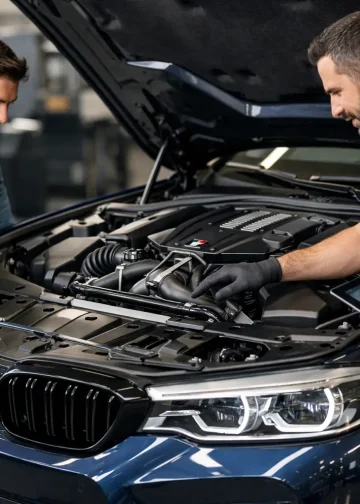
Because physical systems are now deeply integrated with software, traditional inspection tools are inadequate. A mechanical failure often stems from a digital communication breakdown, and conversely, a software glitch can mimic a mechanical failure. Digital diagnostic tools act as an interpreter, allowing technicians to plug directly into this network to evaluate the vehicle’s health from the inside out.
How Modern Digital Inspection Systems Work
The contemporary diagnostic workflow is far more sophisticated than simply reading a code from a dashboard light. It is a multi-layered electronic investigation that systematically isolates system anomalies.
Comprehensive System Scanning
The process begins when a technician connects a professional-grade scan tool to the vehicle’s On-Board Diagnostics port. The scanner queries every electronic module simultaneously. Within seconds, the tool generates a global health report, highlighting stored Diagnostic Trouble Codes, historical faults, and pending errors that have not yet triggered a dashboard warning light.
Live Sensor Data Analysis
Reading a code is only the initial step. The true power of digital tools lies in their ability to display live, real-time data streams. A technician can monitor hundreds of parameters concurrently while the engine is running or during a road test. By evaluating live metrics such as fuel trim percentages, sensor voltages, and engine cylinder firing frequencies, a technician can watch a component fail in real time, revealing intermittent issues that traditional testing would miss.
Bidirectional Control Testing
Advanced diagnostic software enables bidirectional communication, meaning the technician can use the scanning tool to command the vehicle’s computer to perform specific actions. For example, a mechanic can instruct the vehicle to turn on a cooling fan, pulse a specific fuel injector, or actuate a brake caliper module. By forcing these components to cycle via digital command, the technician can immediately determine whether a failure is caused by a bad physical component or a broken wiring circuit.
Key Benefits of the Digital Diagnostic Shift
The integration of digital infrastructure into auto repair shops has drastically elevated the standards of automotive service. The impacts are visible across several operational dimensions.
Eradicating Guesswork and Part-Swapping
In the past, isolating a vague symptom often involved replacing components one by one until the issue resolved. This method was incredibly inefficient and expensive for the vehicle owner. Digital diagnostics provide empirical evidence, allowing technicians to target the exact root cause of a failure on the first attempt, which virtually eliminates unnecessary part replacements.
Unprecedented Speed and Shop Efficiency
Manual troubleshooting that used to consume hours or even days can now frequently be completed in a fraction of the time. Digital tools swiftly narrow the field of investigation down to specific circuits or subsystems. This rapid turnaround increases the efficiency of the repair facility, allowing shops to service more vehicles per day while drastically reducing the time a customer is left without transportation.
Enhanced Customer Transparency and Digital Reports
One of the greatest historical pain points for consumers was the lack of visibility into the repair process. Digital diagnostic platforms bridge this communication gap. Modern shops can generate automated, comprehensive digital vehicle inspection reports. These reports can be emailed or texted directly to the customer, complete with color-coded health statuses, active trouble codes, sensor graphs, and even high-definition photographs or videos taken by the technician. When a consumer can visually inspect a leaking seal or see a failing sensor reading on a digital graph, trust is naturally established.
The Intersection of Big Data and Telematics
The capabilities of digital diagnostics now extend far beyond the physical boundaries of the repair shop service bay. The integration of vehicle telematics and cloud computing has introduced a new era of proactive automotive care.
Many modern vehicles are equipped with built-in cellular data connections that continuously transmit system health metrics back to the manufacturer or to a designated service provider. This technology enables remote diagnostics, where a fleet manager or a local dealership can identify an impending component failure before the driver even notices a change in vehicle performance.
Furthermore, cloud-based repair networks compile millions of anonymous diagnostic data points from shops across the globe. When a technician encounters a highly unusual combination of trouble codes, the diagnostic software can cross-reference the data with a global cloud database to reveal the exact fixes that resolved the identical issue in other workshops. This collective intelligence essentially turns every independent technician into an expert on every vehicle make and model.
The Challenge of Ongoing Technical Training
While digital diagnostics have undoubtedly made vehicle service more precise, they have also raised the barrier to entry for automotive technicians. Today’s mechanics must possess a strong foundation in computer science, electronics, and data analysis alongside traditional mechanical skills.
A modern auto repair facility must invest thousands of dollars annually in software license renewals, hardware upgrades, and continuous education programs for their staff. As electric vehicles and advanced driver-assistance systems become the standard, the reliance on digital diagnostic tools will only intensify, cementing software literacy as the most critical asset in the modern service bay.
Frequently Asked Questions
Can I perform professional-grade digital diagnostics using a cheap smartphone app?
Consumer-grade Bluetooth diagnostic dongles and smartphone apps are excellent for reading basic engine codes and checking emissions readiness. However, they lack the processing power, software depth, and security permissions required for professional diagnostics. Consumer tools typically cannot access proprietary modules like the body control module, transmission control module, or advanced safety systems, nor do they support bidirectional testing capabilities.
How does diagnostic software distinguish between a bad sensor and a bad mechanical part?
The software relies on the technician to interpret the data relationships. If an oxygen sensor reports a constant, unchanging voltage regardless of engine load, the sensor itself is likely dead. However, if the sensor responds to changes but reports values outside normal parameters, it is accurately reporting a mechanical issue elsewhere, such as a vacuum leak or a failing fuel pump.
Why do repair shops charge a diagnostic fee just to plug in a computer?
The diagnostic fee does not pay for the physical action of plugging in the scan tool. It covers the immense cost of the advanced diagnostic equipment, ongoing software subscriptions, and the specialized expertise of the technician required to accurately interpret the resulting data, perform physical verifications, and formulate a pinpoint repair strategy.
What role do digital diagnostics play in servicing electric vehicles?
Electric vehicles lack traditional internal combustion engines, but they are incredibly dense with computing modules. Digital diagnostics are vital for monitoring battery cell voltage balances, evaluating thermal management loops, testing high-voltage isolation circuits, and updating firmware across the entire drivetrain to optimize vehicle range and safety.
Can a digital scan tool detect internal structural wear inside an engine?
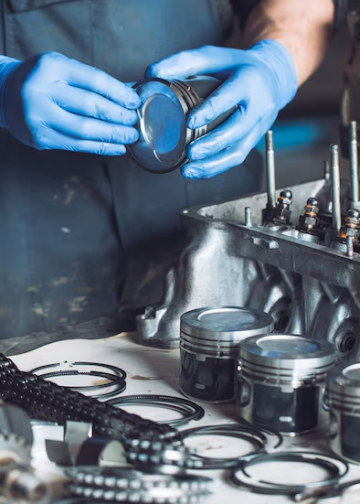
A scan tool cannot directly see physical metal wear, such as a worn piston ring or a scored cylinder wall. However, it can detect the immediate electronic consequences of that wear, such as a persistent cylinder misfire or a drop in engine efficiency. The technician then uses that digital clue to follow up with traditional mechanical tests like a compression check.
How do over-the-air software updates tie into digital diagnostics?
When digital diagnostics identify a widespread software glitch or logic error across a vehicle line, manufacturers can deploy an over-the-air software patch directly to the vehicle via its internet connection. This allows certain calibration, performance, or infotainment issues to be permanently fixed without requiring the vehicle owner to physically visit a repair facility.